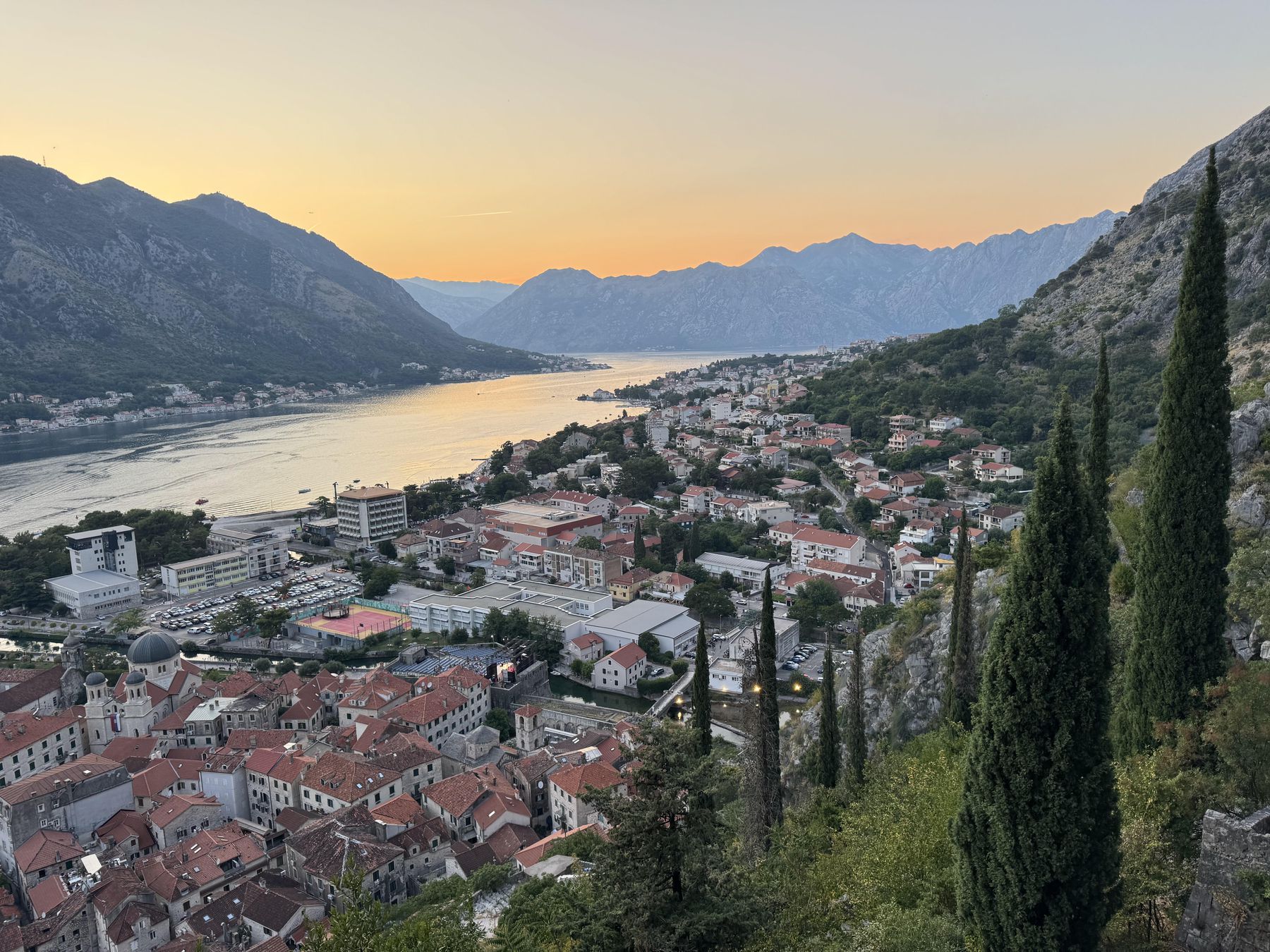
Kotor
Kotor eats where the Adriatic meets the mountains: black risotto, buzara shellfish, grilled fish, Njegusi prosciutto, village cheeses, and simple bay cooking shaped by Venetian trade and Montenegro's rugged inland traditions.
What to Eat in Kotor
14 iconic foods and the best places to find them
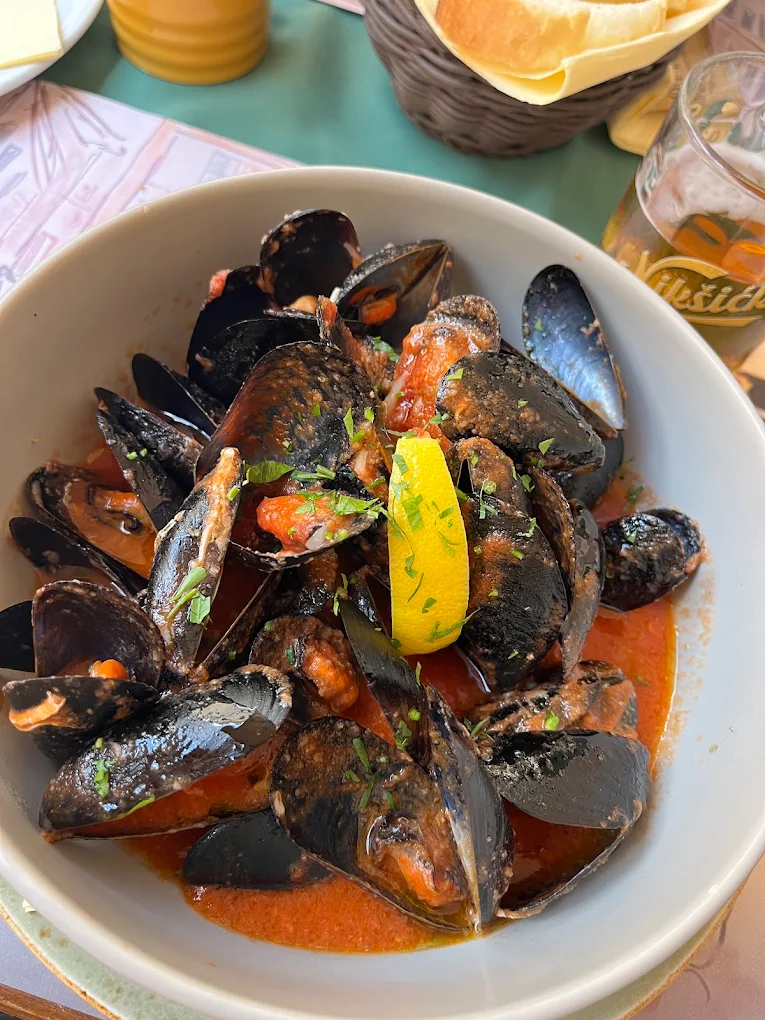
Mussels Buzara
TraditionalMussels buzara is a classic Bay of Kotor order: shellfish quickly cooked with white wine, fresh tomatoes, garlic, parsley, and olive oil until the broth turns aromatic enough to demand bread on the side.
Buzara is less a single recipe than an Adriatic method: shellfish cooked fast in a garlicky wine sauce that tastes different at nearly every konoba on the coast.
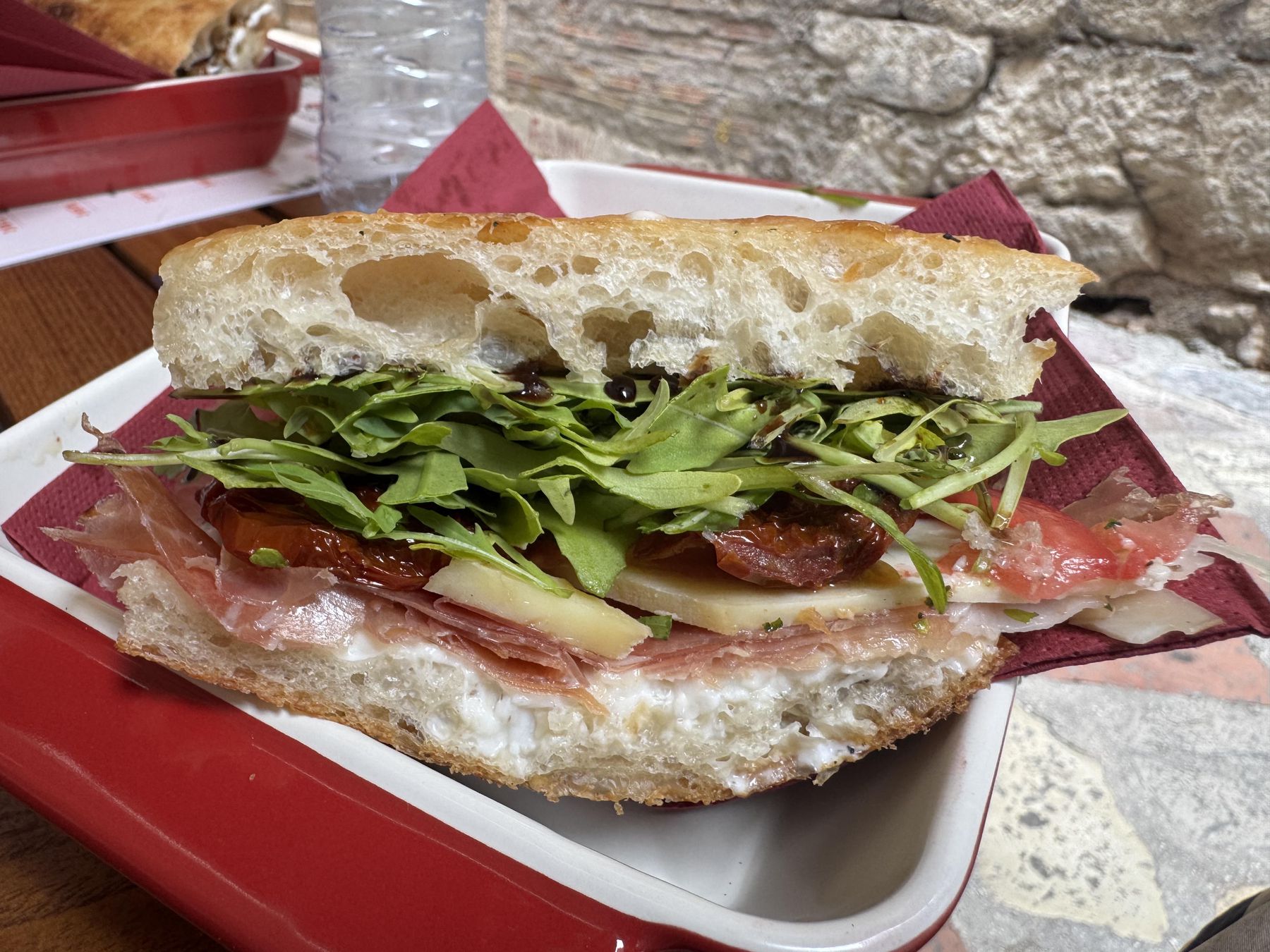
Njeguski Prsut
TraditionalThis dry-cured prosciutto from the village of Njegusi above the bay is one of Montenegro's signature inland products. In Kotor it usually arrives thin-sliced with bread, cheese, and olives on a platter, or served on a delicious sandwich.
Njegusi sits on the old mountain road above Kotor, and the region's airflow has long been part of how the ham is traditionally cured.
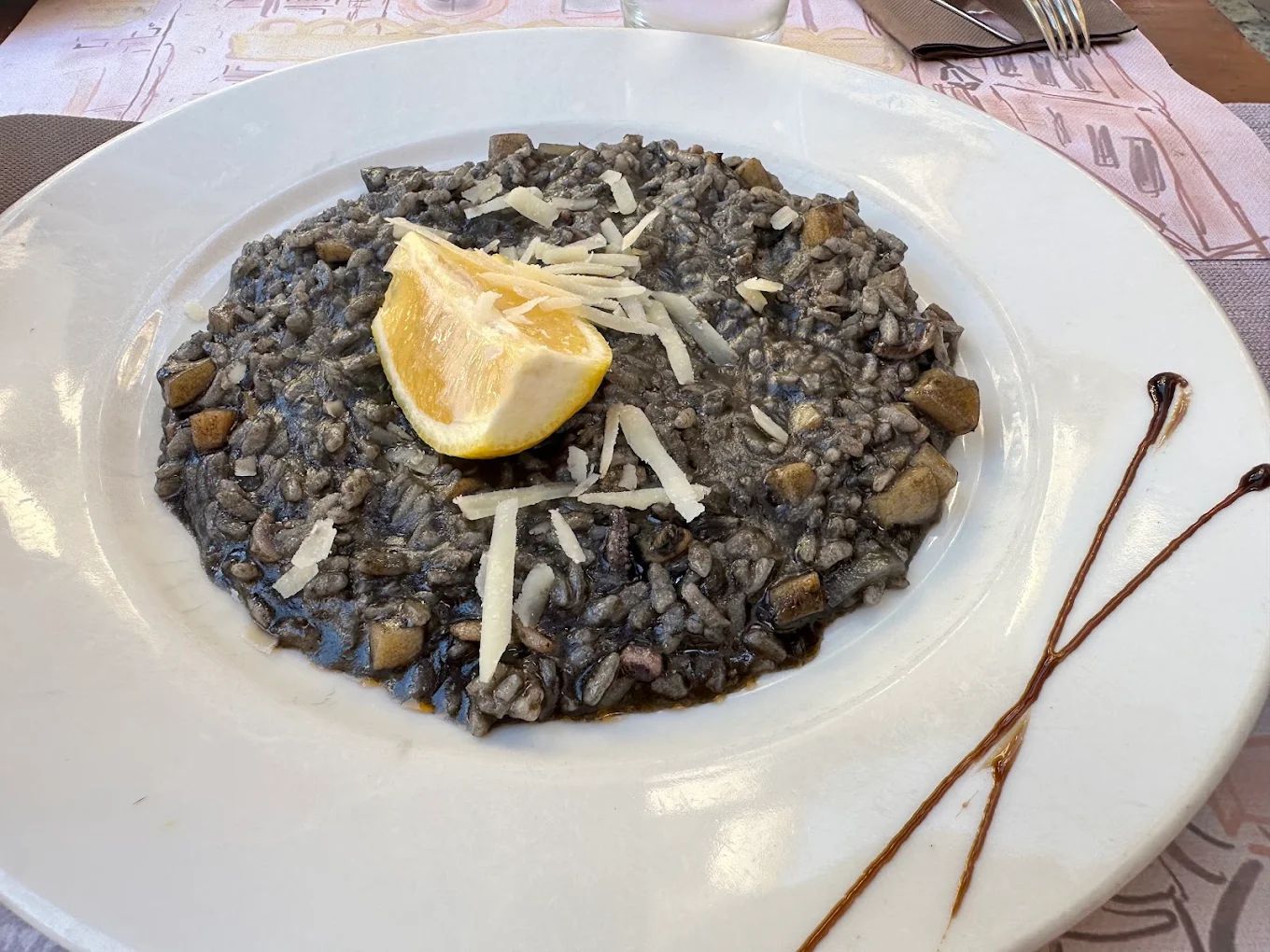
Black Ink Risotto
TraditionalKotor's black risotto leans in to the bay: cuttlefish ink, stock, garlic, and rice cooked until glossy, briny, and deeply savory. It is one of the clearest Adriatic signatures on local menus.
Along the eastern Adriatic, black risotto is usually colored with cuttlefish or squid ink rather than charcoal or dye, so the flavor stays unmistakably marine.
Grilled Adriatic Fish
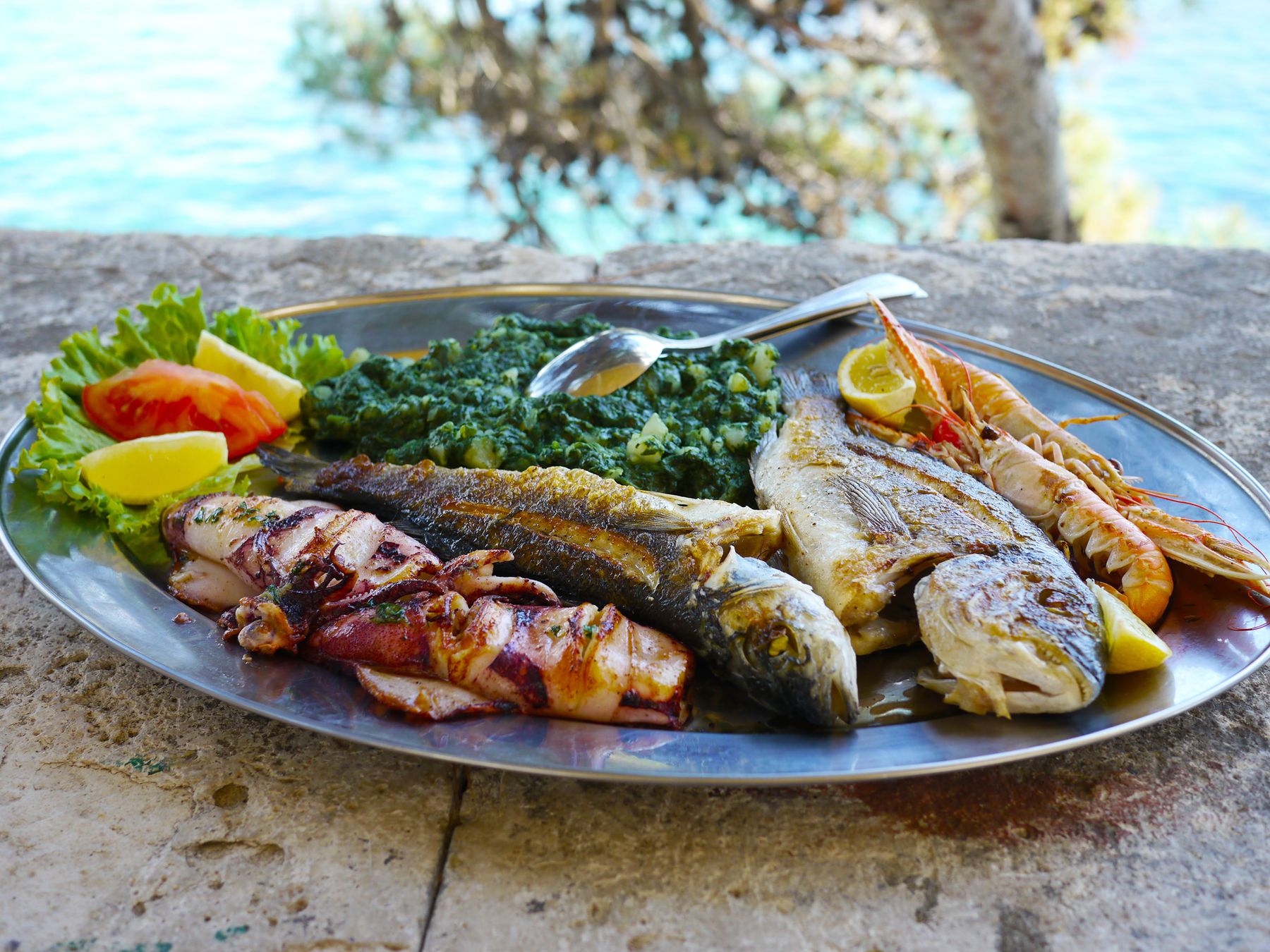
TraditionalKotor keeps grilled fish simple on purpose: the daily catch, olive oil, salt, lemon, and fire. When the bay is eating well, this is often the purest thing to order.
On the Montenegrin coast, menus often list fish by the day's catch rather than by one fixed recipe, so the best order is usually whatever came in that morning.
Grilled Squid
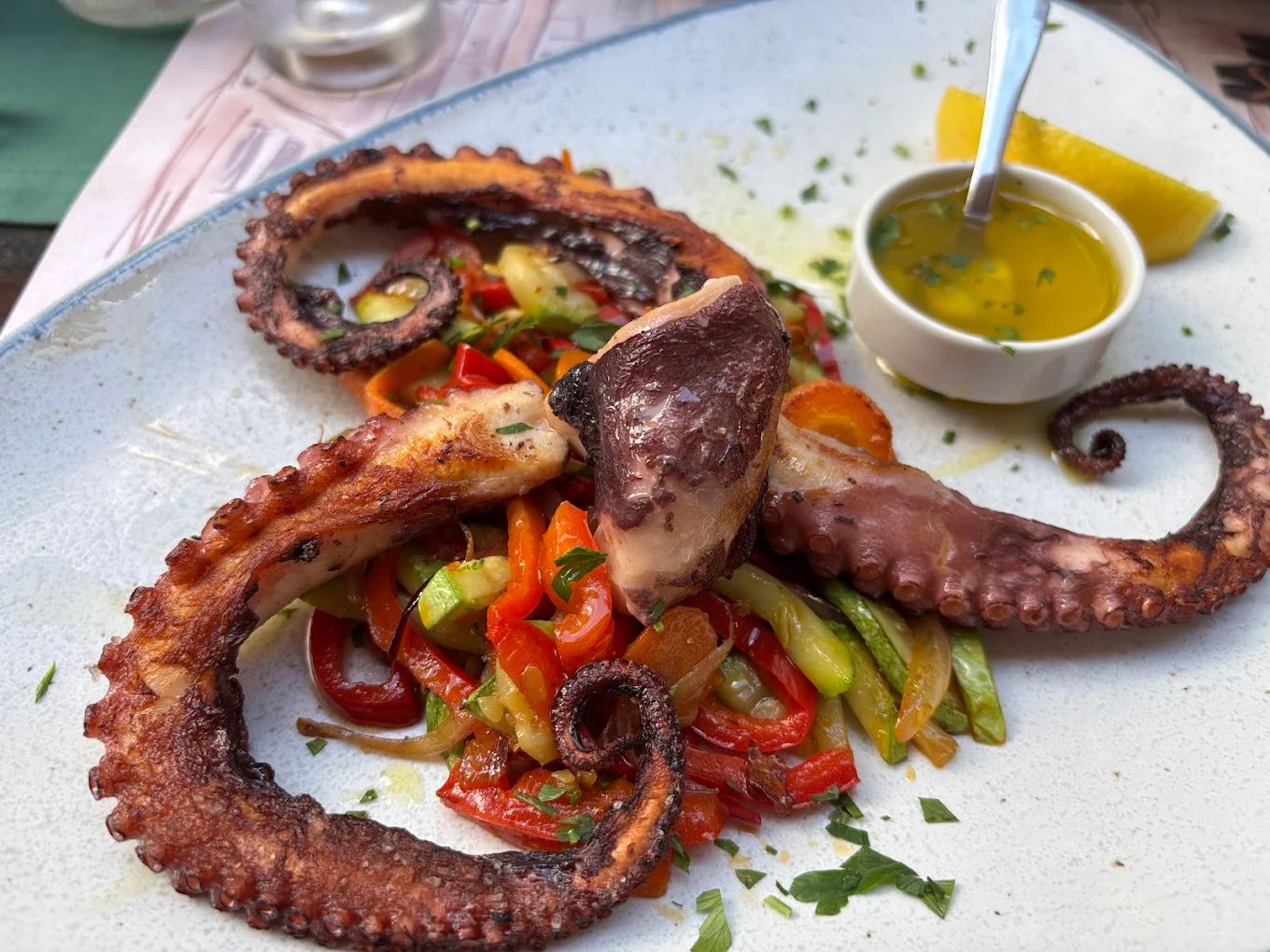
TraditionalGrilled squid is one of Kotor's easiest yes-orders: quickly charred, lemony, and usually paired with chard and potatoes or a simple coastal salad.
Across the Adriatic, squid often works as the menu's middle ground between heavier grilled fish dinners and lighter shellfish starters.
Oysters
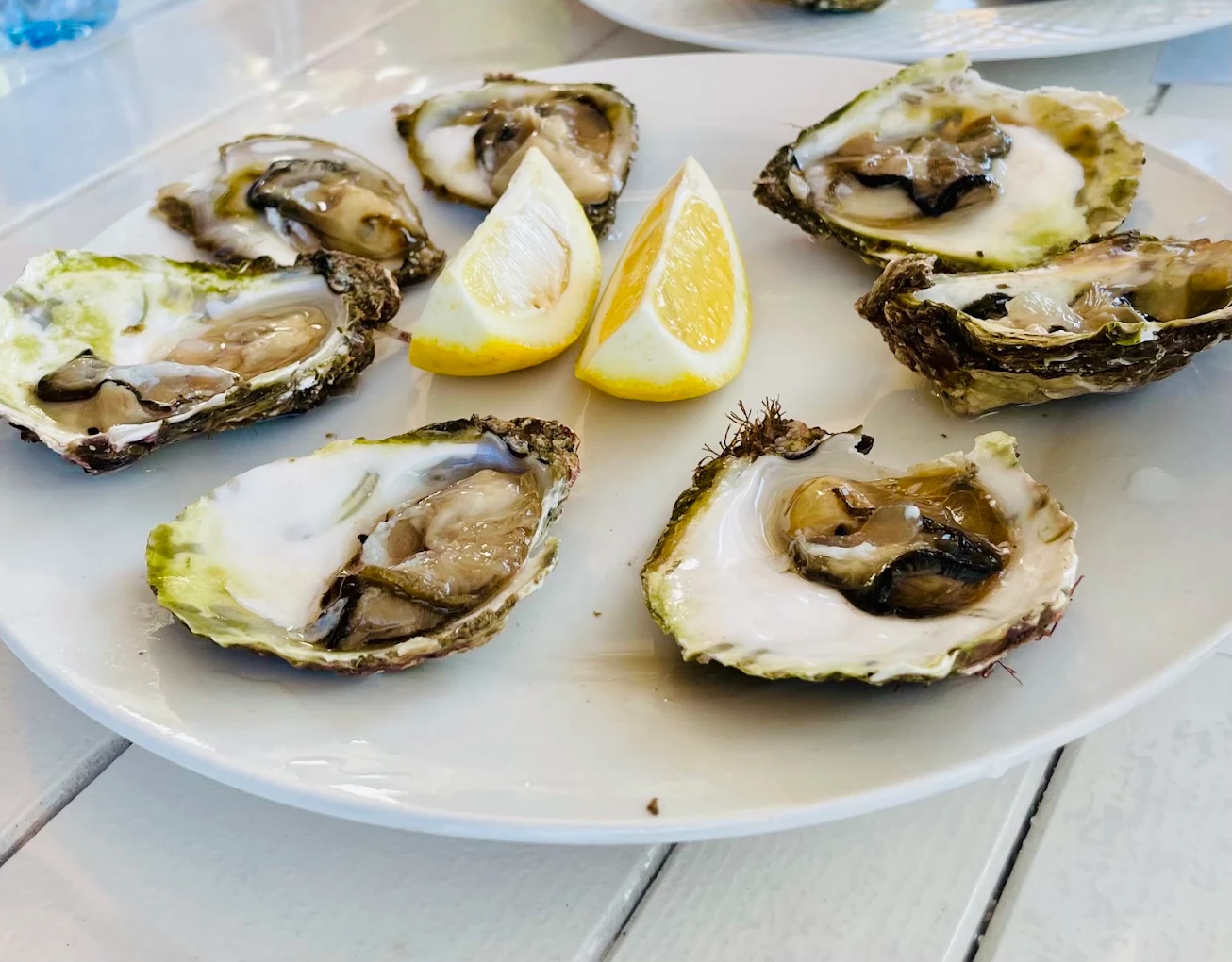
TraditionalFresh oysters from the Bay of Kotor are one of the area's purest sea-to-table bites: briny, clean, and usually served simply with lemon so the shellfish stays the focus.
The sheltered waters around Boka Bay have long supported shellfish cultivation, which is why oysters and mussels feel especially tied to Kotor's coastal identity.

Montenegrin Cheese Plate
TraditionalKotor tables often start with a local cheese plate: salty village cheeses, soft young cheeses, olives, and a little bread to bridge the mountains and the coast in one bite.
Montenegro's cheese culture changes quickly by altitude, so Kotor menus often pour inland dairy traditions into a coastal meze-style opening course.
Montenegrin Sopska Salad
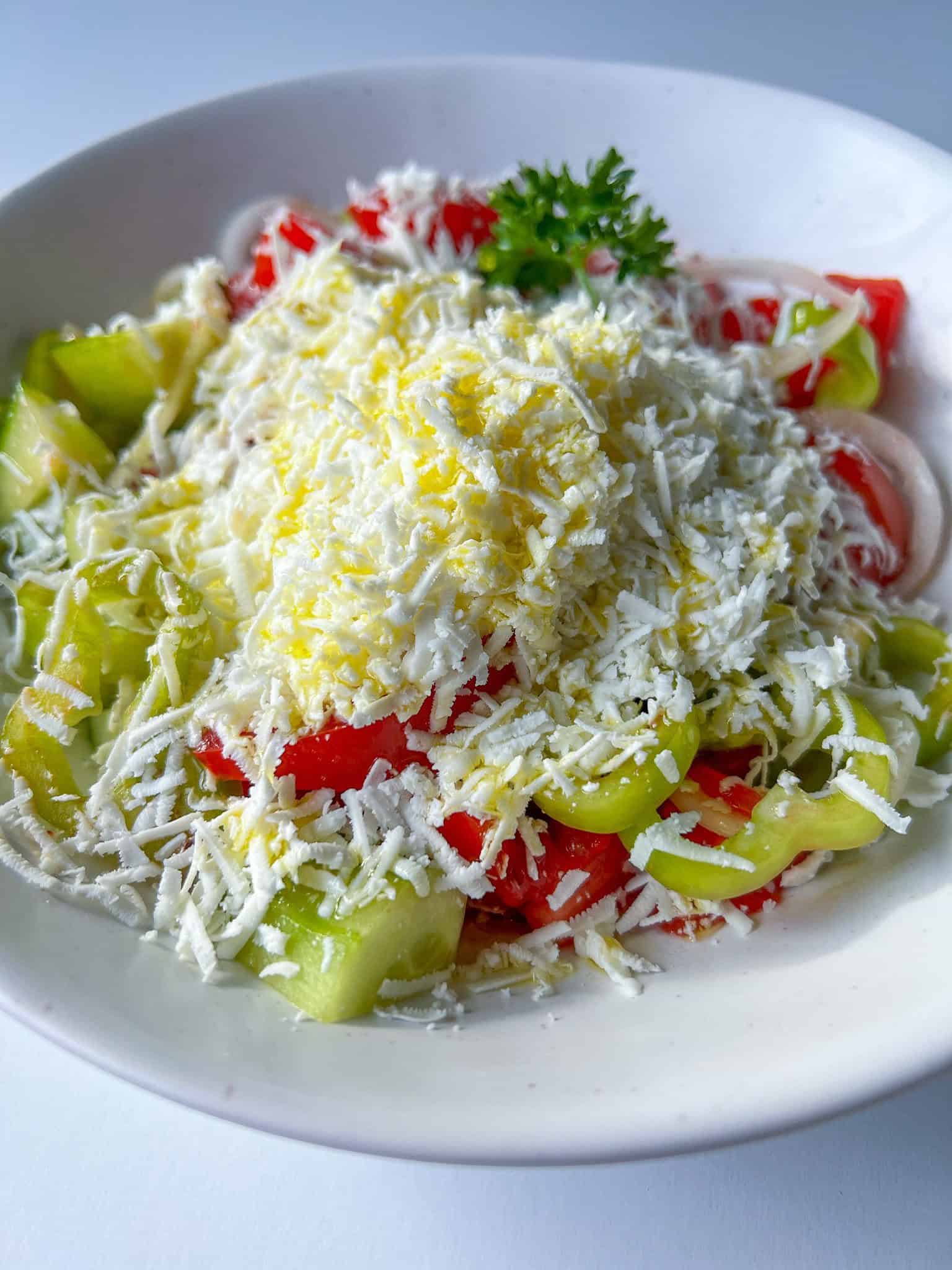
TraditionalA Sopska salad in Kotor is the cool, salty counterpoint to the bay's grilled seafood and cured meats: chopped tomatoes, cucumbers, peppers, onion, and a generous shower of brined white cheese.
Sopska salad is loved across the Balkans, but on Montenegro's coast it feels especially at home beside seafood, cheese plates, and long lunches in the summer heat.
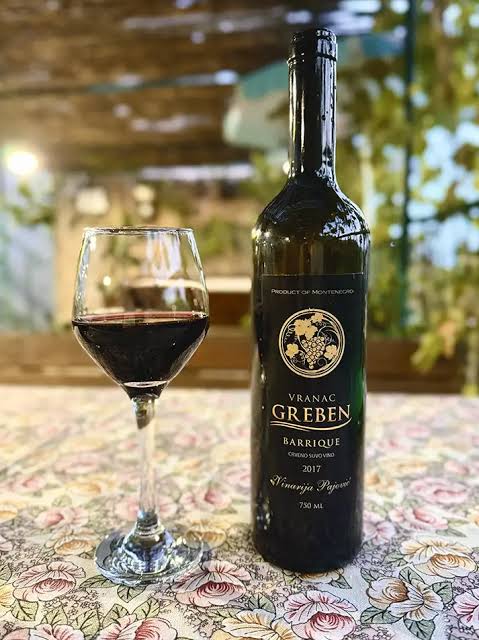
Vranac Wine
TrendyVranac is Montenegro's flagship red grape, dark-fruited and sturdy enough for grilled meat, cheese, and long dinners by the bay. In Kotor it is one of the easiest ways to drink locally.
Vranac is grown across Montenegro, but the short distance between vineyards and coast makes it feel especially natural on Kotor tables.
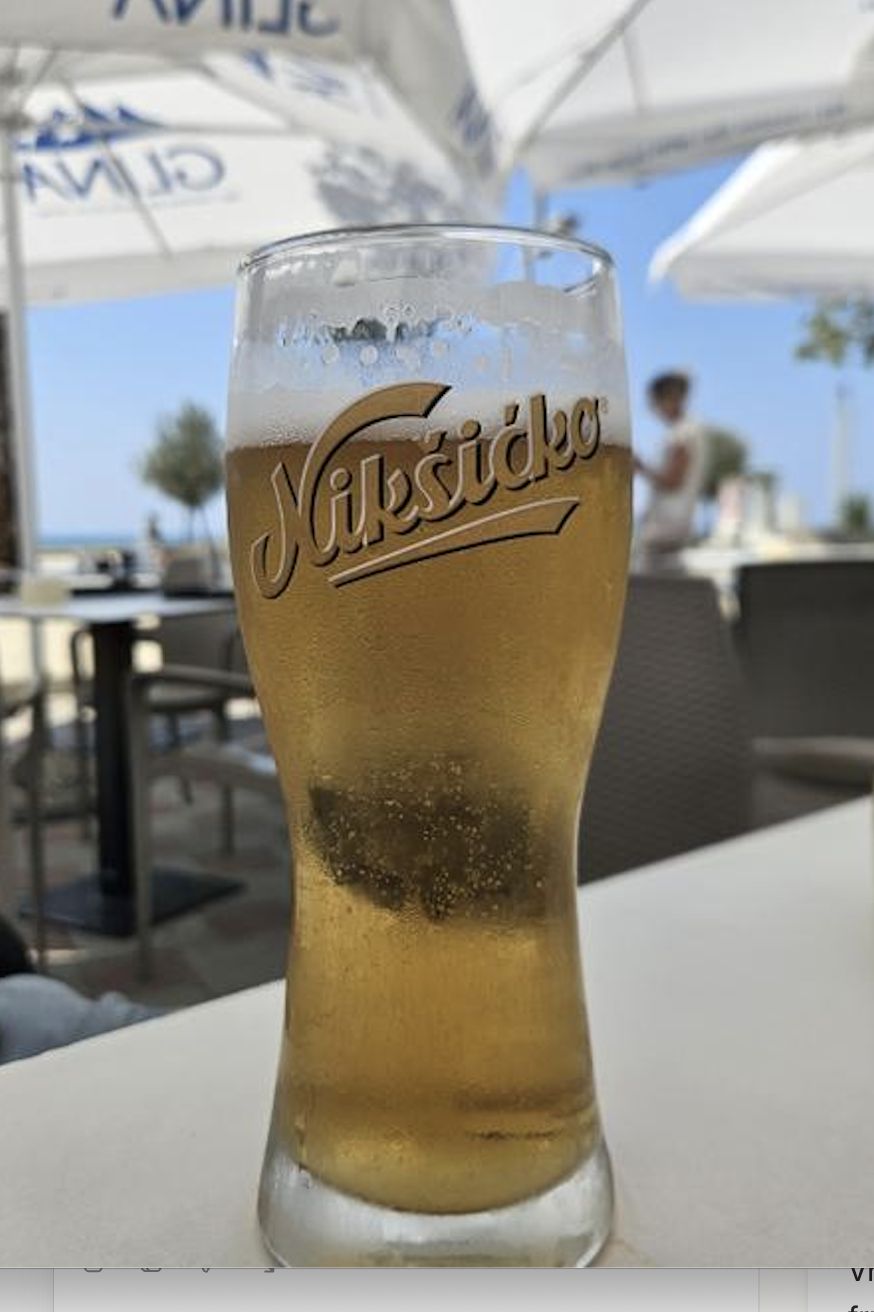
Nikšićko
TrendyNikšićko is Montenegro's classic easy-drinking lager, the kind of cold coastal beer that shows up beside seafood lunches, sunset aperitifs, and long summer evenings by the bay.
Brewed in Nikšić since the late 19th century, Nikšićko remains one of Montenegro's most recognizable national beers.
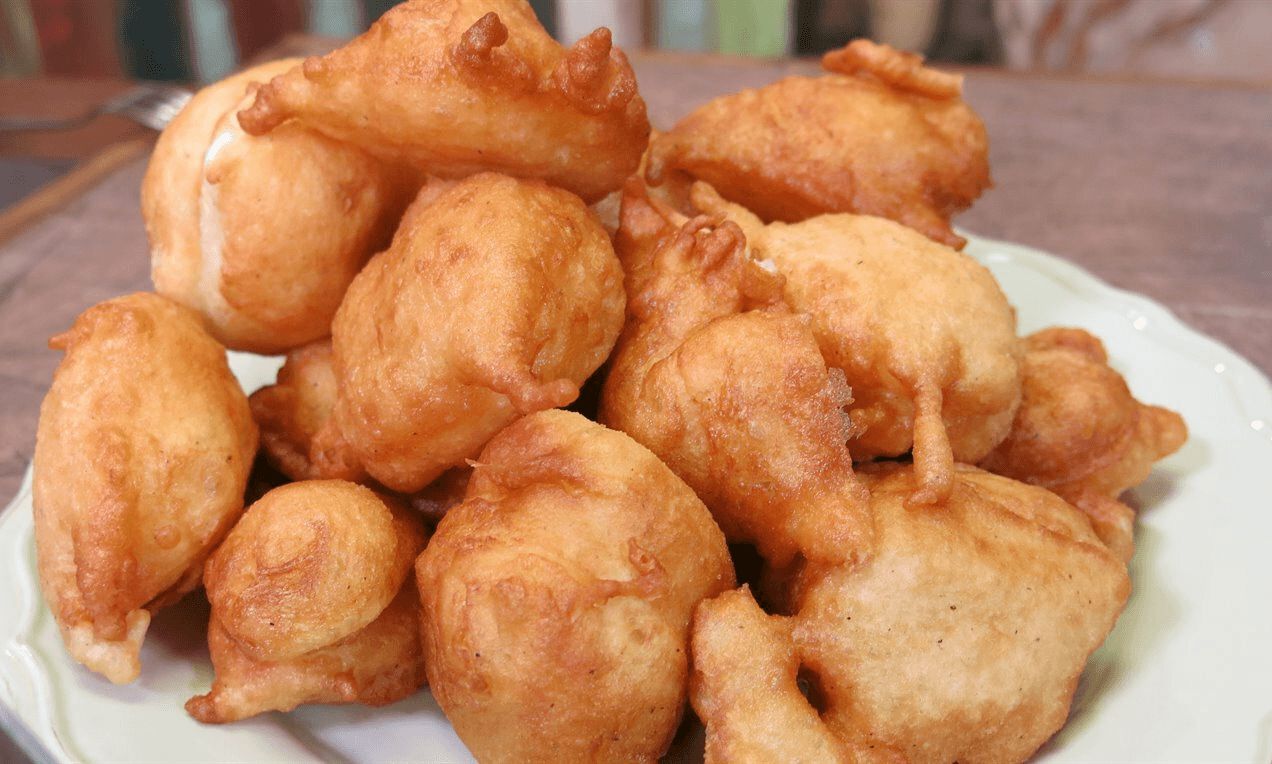
Priganice
TraditionalPriganice are Montenegrin fried dough bites, best served hot with honey, jam, or soft cheese. In Kotor they show up at breakfast, dessert, or whenever a table wants something warm to share.
Because priganice can swing sweet or savory, they often land on Montenegrin menus in more than one section at once.
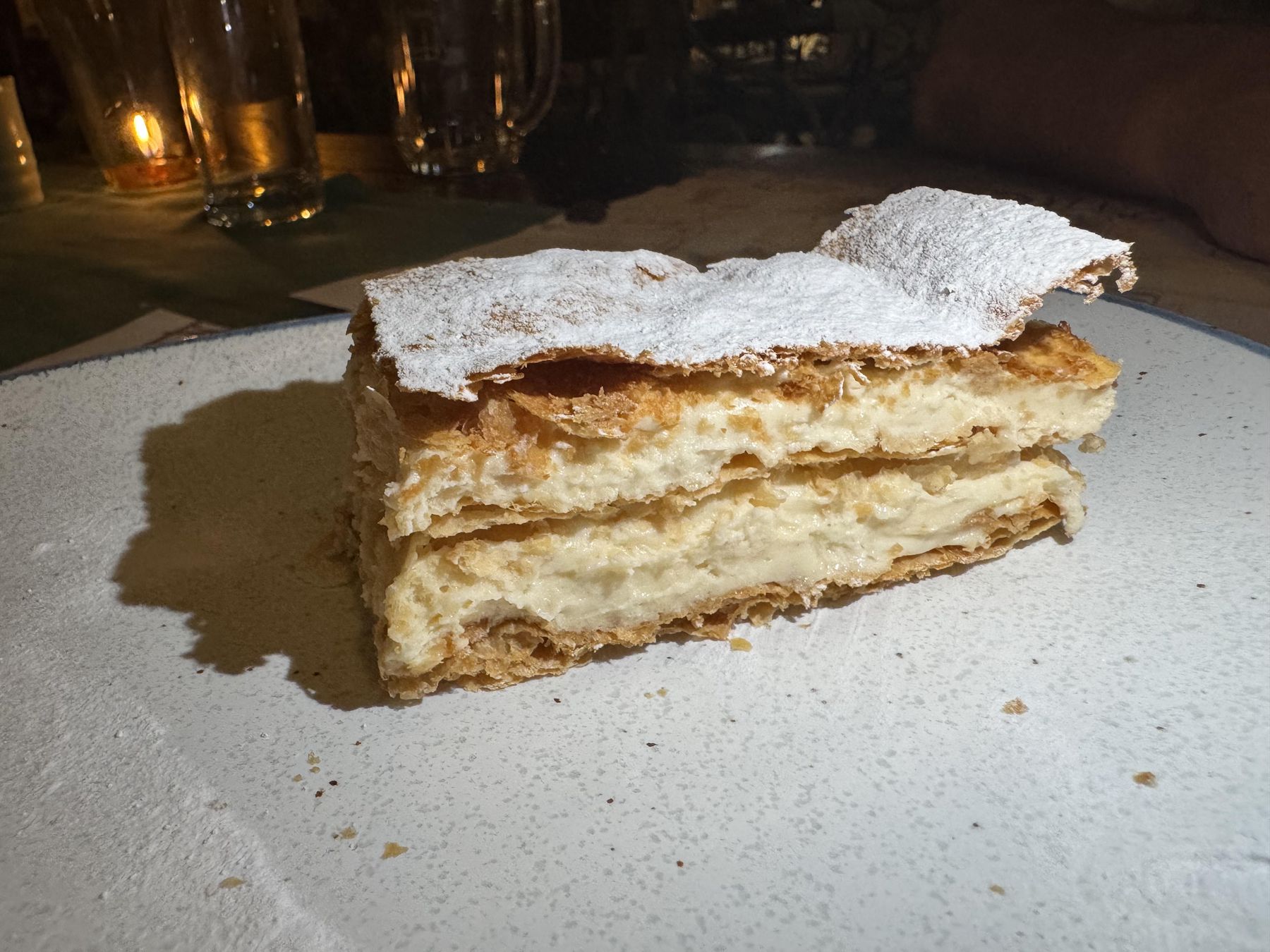
Krempita
TraditionalKrempita is a tall Adriatic custard slice built from flaky pastry and airy vanilla cream. In Kotor it lands in the cafe-case tradition of Bay of Kotor desserts: light, nostalgic, and best eaten slowly with coffee after seafood and a long old-town walk.
Krempita shows up across the former Yugoslav region, but every coastal town insists its own version gets the cream-to-pastry balance exactly right.
Ledena Kocka
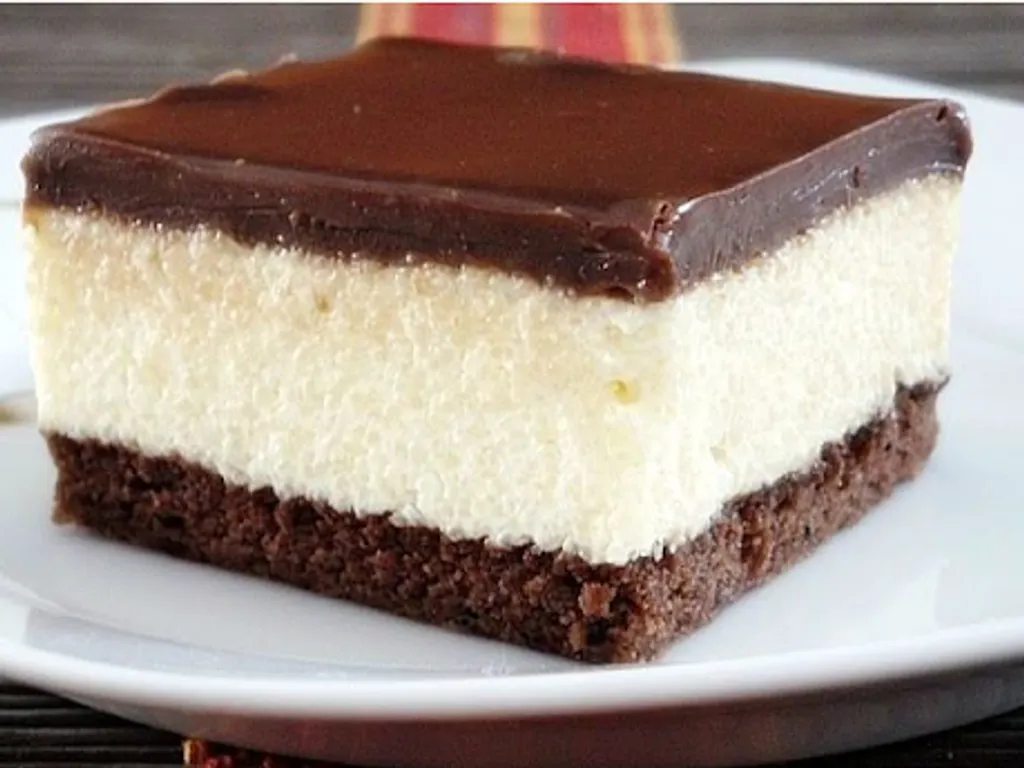
TraditionalLedena kocka is a chilled Balkan cream cake made with light sponge, silky vanilla filling, and a cocoa or chocolate top layer. In Kotor, it fits naturally alongside old-school cafe desserts and is especially good as a cool finish after a seafood-heavy meal in the bay.
The name literally means 'ice cube' or 'cold cube,' a nod to the cake's chilled, refreshing style.
Borek
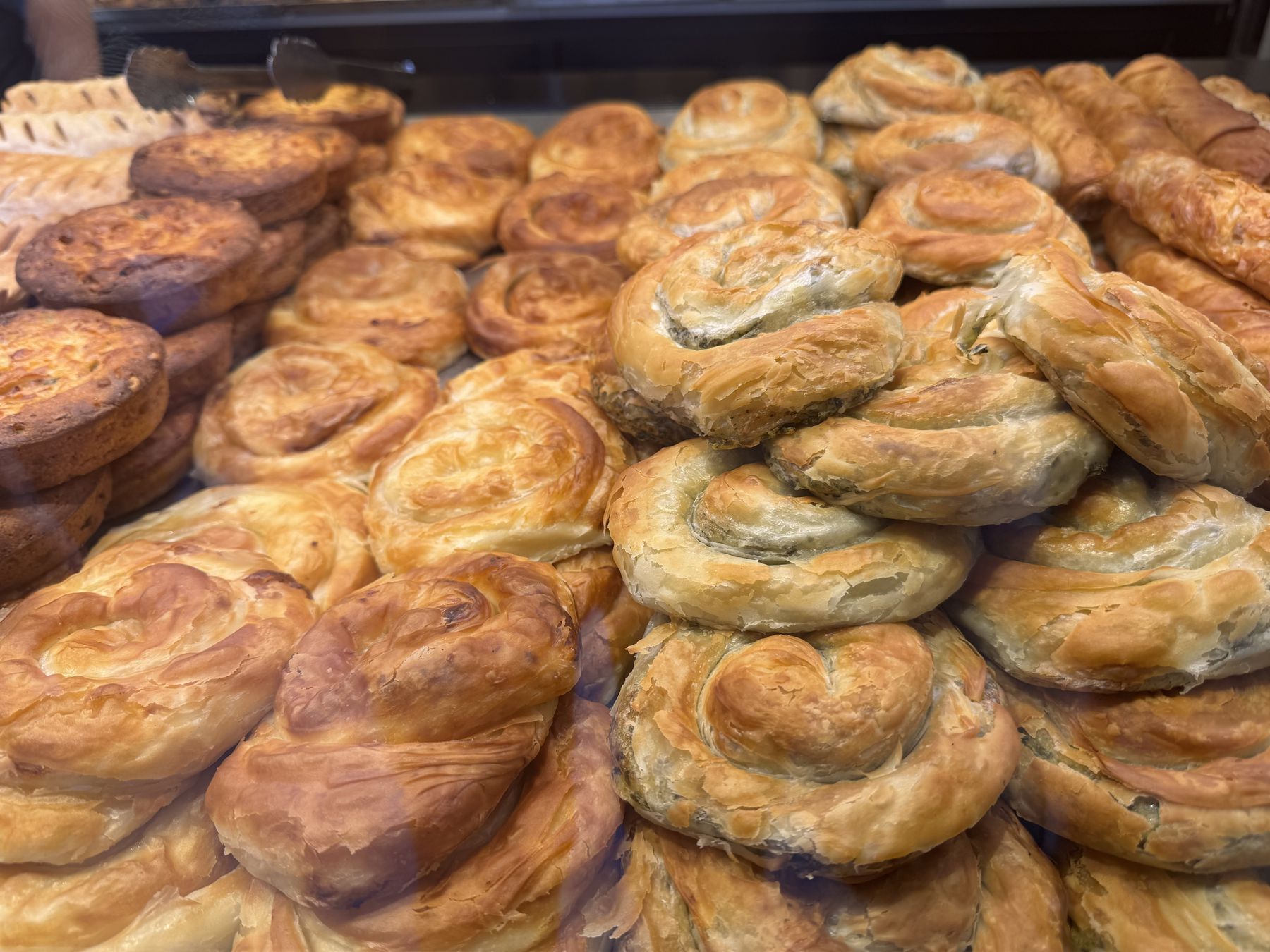
TrendyBorek is a flaky handheld pastry sold as an easy savory bite between old-town wandering and bay views. In Kotor you will find versions filled with cheese, spinach, meat, potato, and other everyday bakery combinations depending on the shop.
Burek travels easily across the Balkans, so in Kotor it works as a casual bakery stop rather than a sit-down signature dish.